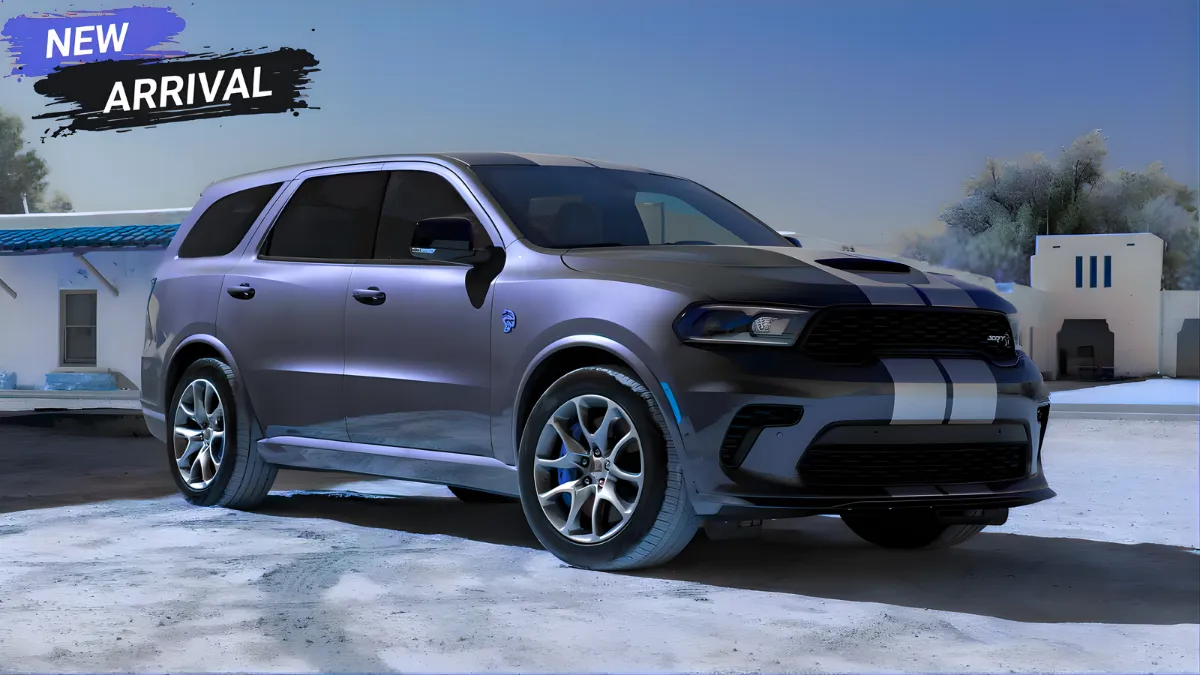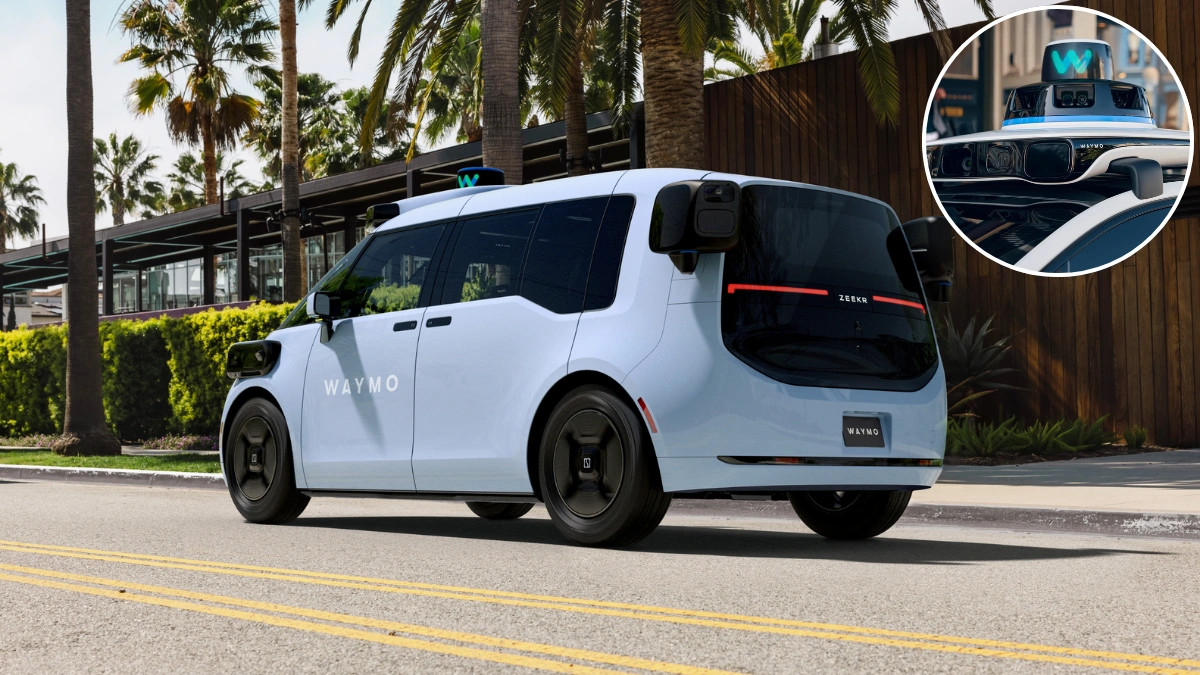
Tensor has officially unveiled its new private self driving vehicle, aiming to compete directly with Waymo in the race toward fully autonomous transportation. Unlike public robotaxi fleets, Tensor focuses on ownership based autonomy, delivering a personal self driving car experience where the user controls the vehicle rather than a ride service platform.
A New Vision for Personal Autonomy
Instead of operating a shared robotaxi fleet like Waymo, Tensor is bringing autonomy to individual customers who want their own AI driven vehicle. The company positions its car as a private companion that learns the driver’s preferences, commute patterns, and personal driving style, giving each owner a uniquely customized autonomous experience.

Cutting Edge Sensor and AI System
Tensor’s multi sensor fusion network is designed for ultra accurate environmental awareness. With lidar beams creating high resolution mapping, radar detecting motion in poor visibility, and real time camera interpretation, the car perceives and understands surroundings with remarkable precision. The Tensor Neural Compute AI engine continuously learns and updates onboard intelligence without external dependency.
| Feature | Tensor Private Self Driving Car |
|---|---|
| Autonomy Level | Level 4 with potential Level 5 upgrade |
| Sensors | Multi lidar array, radar grid, 360 optical cameras |
| Processing | Tensor Neural Compute AI engine |
| Connectivity | Encrypted cloud and offline navigation modes |
| Safety | Redundant brake, steering, and sensor fallback systems |
| Cabin | Smart glass interior with adaptive UI |
| Ownership Model | Privately owned autonomous vehicle |
| Expected Launch | 2026 target markets |
| Estimated Price | ₹85 lakh to ₹1.2 crore India equivalent |
Interior Built Around AI Interaction
Inside the cabin, occupants experience a forward looking digital environment. Smart glass displays adapt in brightness, a voice first interface controls all primary functions, and the dashboard uses predictive information panels that anticipate user needs. This creates a cabin that feels more like an AI lounge than a traditional vehicle cockpit.

How Tensor Compares to Waymo
Below is the only allowed bullet list in this article:
- Waymo is fleet based while Tensor is private ownership based
- Tensor emphasizes personalization while Waymo focuses on city wide service
- Tensor includes offline navigation while Waymo relies primarily on cloud data
- Tensor sells the car while Waymo sells the ride
- Tensor’s vehicle offers deeper customization and long term user learning
Security and Privacy at the Core
Tensor has highlighted data privacy and autonomy control as major differentiators. The car runs critical AI functions locally rather than sending continuous data streams to corporate servers. Owners retain full control of location history, ride logs, biometric preferences, and vehicle AI memory which can be manually reset at any time.

Market Impact and Adoption Outlook
As governments increasingly support autonomous vehicle authorization, Tensor’s private model could significantly disrupt the market. Luxury buyers, tech early adopters, and premium EV owners may gravitate toward the concept of owning their own AI chauffeur rather than depending on external ride providers.
Conclusion: Tensor’s private self driving car represents a bold departure from fleet based autonomous transport and may shape a new category of personal AI mobility. With advanced AI, privacy centric design, strong sensor technology, and ownership based autonomy, Tensor is positioned to be a serious contender to Waymo’s dominance in the self driving arena.
Disclaimer: Specifications and deployment timelines may change as certification and regulatory processes evolve.